- Home /
- Our chimne… /
Chimney Caps
Section: Chimney Caps
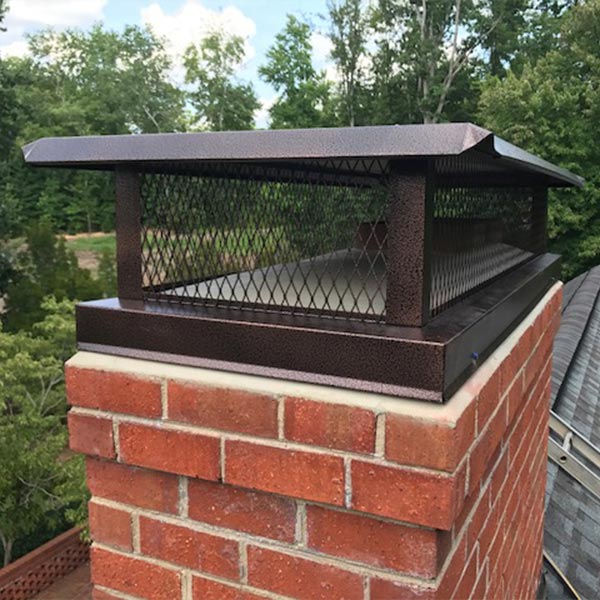
Chimney cap installation, repair, and full chimney protection services across Suffolk County. Prevent leaks, blockages, animals, and moisture damage with high-quality stainless steel chimney caps installed by a licensed and insured professional.
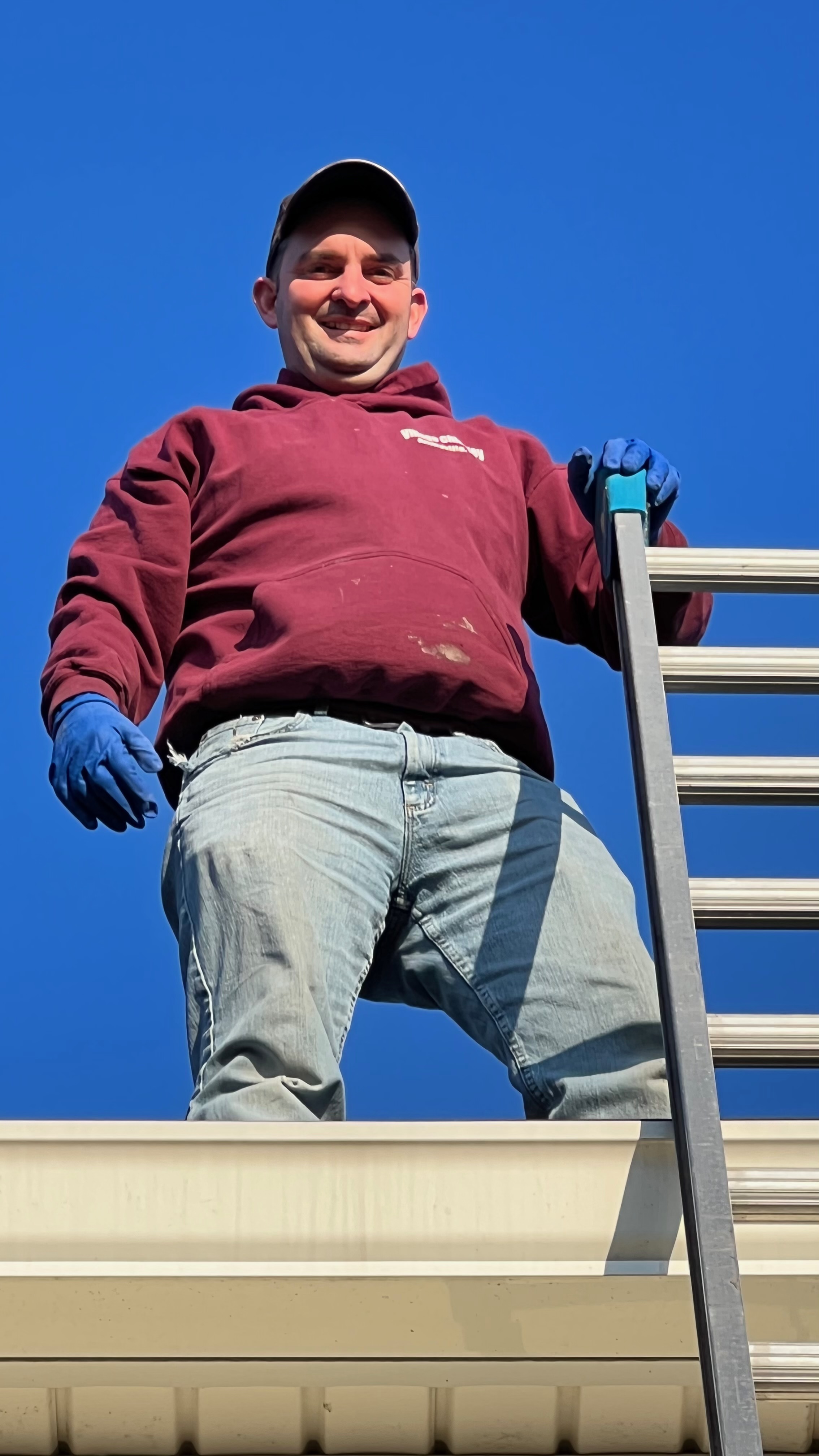
Professional Chimney Cap Installation in Suffolk County
A chimney cap is one of the simplest and most important upgrades you can make to your chimney system. It prevents rain, animals, debris, sparks, and downdrafts from entering your flue. With over 27 years of licensed and insured service across Suffolk County, Village Chimney installs high-quality stainless steel caps that protect your home year-round.
Our Chimney Cap Services
- Chimney cap installation
- Stainless steel caps
- Animal-proof / spark arrestor caps
- Chimney cleaning & inspections
- Chimney repairs & masonry
- Liner installation
How Often Should a Chimney Be Cleaned?
Homeowners should have their chimneys inspected once a year, ideally in spring or summer. Creosote buildup can lead to chimney fires and poor fireplace performance.
What Time of Year Should You Clean Your Chimney?
Chimneys should be cleaned before fire-burning season, preferably in late summer or early fall. Spring cleanings are ideal for preventing strong odors and buildup over the hot months.
Signs Your Chimney Needs Cleaning
- Campfire smell
- Smoke entering the room
- Difficulty starting a fire
- Black, oily marks around the fireplace
- Damper coated in soot
- Evidence of birds or animals
- Poor draft
How Do You Know if You Have Creosote Buildup?
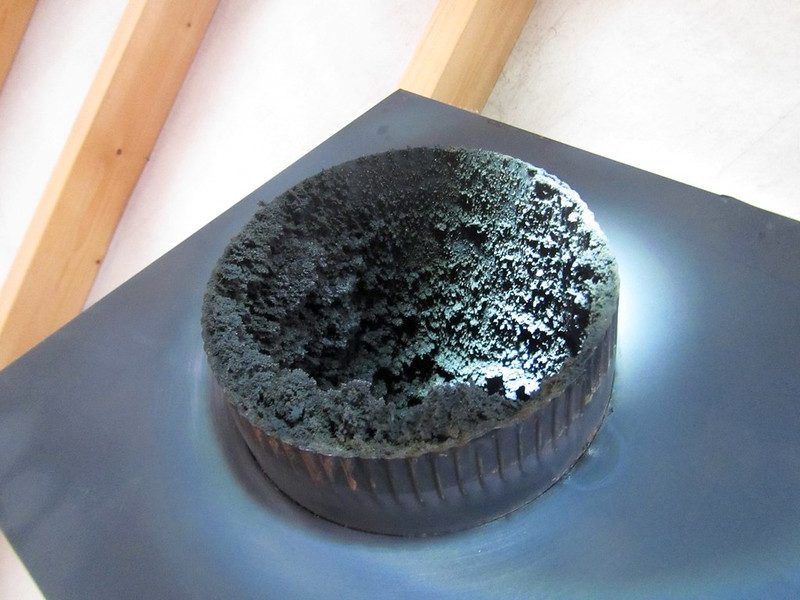
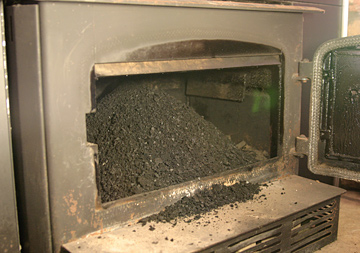
Creosote shows up as black soot, flaky deposits, or tar-like buildup. Any of these require professional cleaning to prevent chimney fires.
Do All Chimneys Produce Creosote?
Yes — any wood-burning fireplace creates creosote. There are three stages (from flaky to hard tar), and all are highly combustible.
Is a Chimney Cap Necessary?
Yes. Without a chimney cap, your chimney is exposed to:
- Rain and moisture
- Snow and ice
- Birds and animals
- Debris and leaves
- Embers exiting and landing on the roof
Moisture causes brick deterioration, rust, mold, and interior water damage.
Are Chimney Caps Safe?
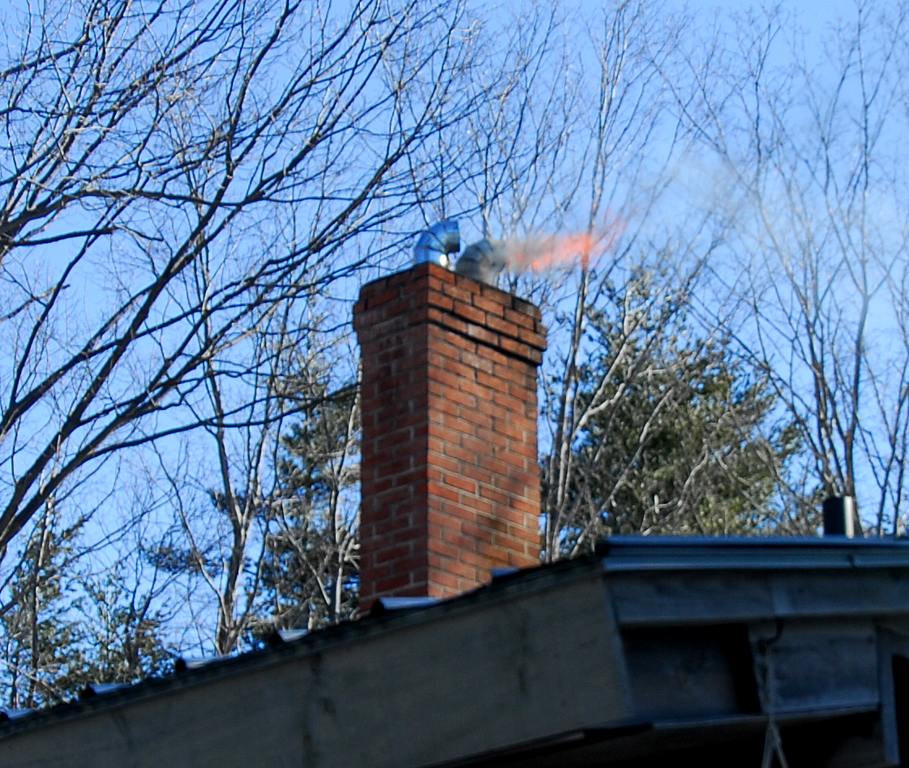
Chimney caps prevent flue blockages and stop debris or nests from igniting during the first fire of the season. They also reduce carbon monoxide backdraft risk.
What Happens If There Is No Chimney Cap?
- Water leaks into attic or walls
- Mold or smell issues
- Rusted fireplace parts
- Animal nests blocking airflow
- Damaged flue tile
- Higher risk of roof fires
What Keeps Rain Out of a Chimney?
A proper chimney cap or cowling keeps rain from entering the flue. Flashing and the chimney’s elbow shape also help redirect moisture.
What Is Chimney Flashing?
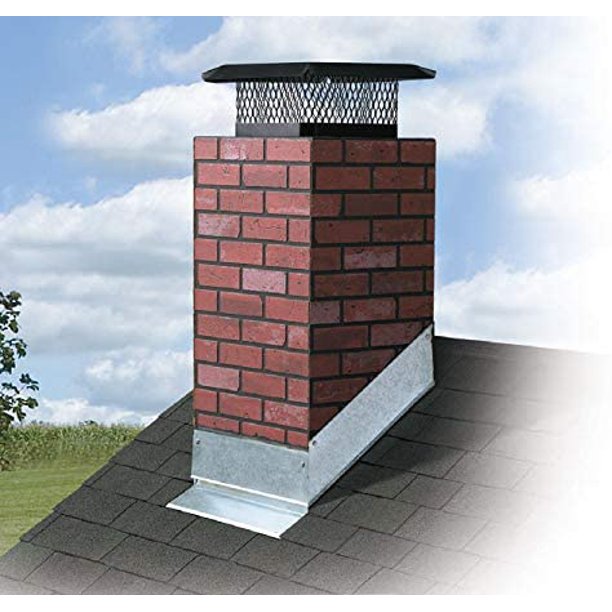
Chimney flashing seals the base of the chimney where it meets the roof. Step flashing and counter flashing work together to prevent leaks.
Masonry & Brick Repairs
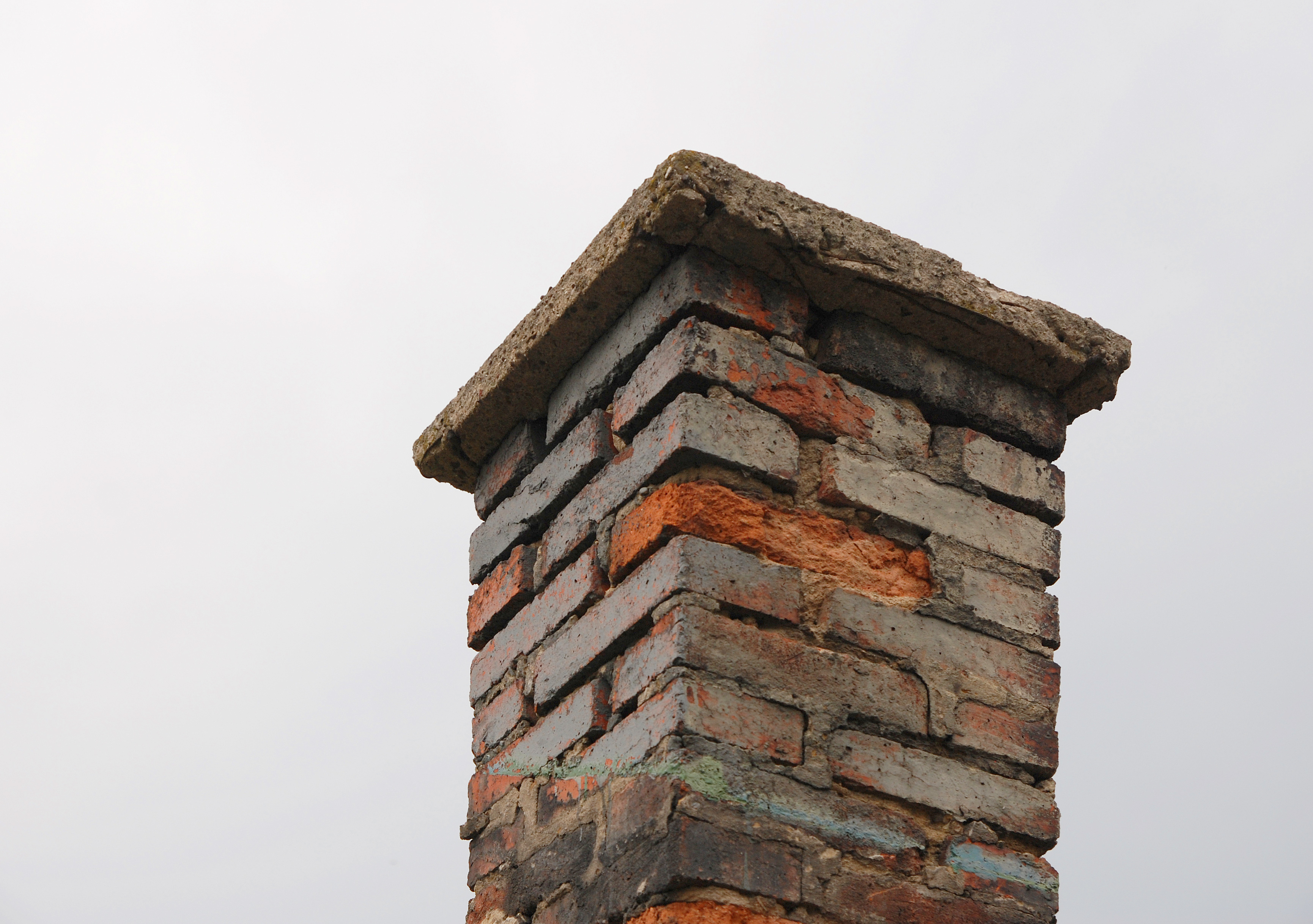
Loose or cracked bricks and failing mortar need to be replaced to prevent structural damage. New mortar is applied to match the original pattern and appearance.
Need a Chimney Cap Installed?
Village Chimney provides:
- Licensed & insured service
- 27+ years experience
- Stainless steel caps
- Reliable inspections
- Free estimates
- Senior discounts
Related Services
- Chimney Cleaning
- Chimney Inspections
- Chimney Leak & Flashing Repair
- Chimney Fire Prevention & Fireplace Safety
- Chimney Repairs
- Masonry Repair & Repointing
- Service Areas – Suffolk County
Serving all of Suffolk County.
Call (516) 232-5326 or email villagechimney@yahoo.com today.